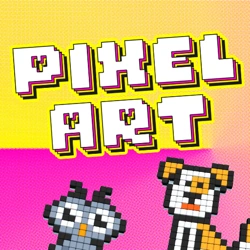
Hidden objects: Lost Island 2

Hidden objects: Lost Island 2

Description:

Embark on an exhilarating match three adventure on a secluded island teeming with enigmas, riddles, and antiquated artifacts. Alongside a captivating adventurer, you will find yourself navigating the heart of the tropical jungles. Within these lush surroundings await the concealed remnants of a long-forgotten temple belonging to a bygone civilization, shrouded by intricate layers of tenacious vines and towering trees.

This match three expedition does not simply focus on an integral tripartite strategy. Rather, it goes beyond the boundary of a traditional match three gameplay, immersaing you in the breathtaking beauty and profound mysteries of this abandoned piece of paradise. Match three not only refers to the winning strategy, but it encapsulates the larger gaming experience, engaging users in a thrilling combination of cognizance, curiosity, and gaming prowess.

Witness the culmination of meticulous craftsmanship in every single location you explore in your match three journey. These handcrafted scenes, teeming with hidden treasures and mind-boggling puzzles, meticulously woven into the rich tapestry of the environment. Make no mistake, these puzzling landscapes and cryptic clues form an intangible bond with the enigmatic history of the place, presenting a realm where past and present coalesce into an unforgettable gaming experience.

This match three venture's captivating charm lies not only in its luring visuals but the intricately woven story that unfolds as the journey progresses. As you delve deeper into the jungle, assembling trios of similar artifacts and solving enigmas along your traversal, the crumbled monuments whisper ancient tales, gradually revealing the island's hidden secrets.

Within this match three gameplay, every hidden object you discover, every puzzle you solve, every clue you stumble upon, brings you a step closer to unveiling the once magnificent civilization that graced this now deserted island. As the saga of bygone times unravels, you'll find yourself drawn further into the match three labyrinth, never ceasing until every stone is overturned and every artifact paves way to a once glorious tale.

Embark on this thrilling match three adventure, where each progressive level presents you with a more challenging and enticing conundrum. As you traverse through the dense foliage scouting for artifacts, draw upon your strategic skills to line up a trio of relics, and unveil the island's ancient secrets one match at a time. In this match three extravaganza, there's always more to the game than meets the eye.

Instructions:

You can freely move left and right across the location and use zoom to find hidden objects. The game is available on both computers and mobile devices, allowing you to play anytime, anywhere.

What are Browser Games

A browser game or a "flash game" is a video game that is played via the internet using a web browser. They are mostly free-to-play and can be single-player or multiplayer.

Some browser games are also available as mobile apps, PC games, or on consoles. For users, the advantage of the browser version is not having to install the game; the browser automatically downloads the necessary content from the game's website. However, the browser version may have fewer features or inferior graphics compared to the others, which are usually native apps.

The front end of a browser game is what runs in the user's browser. It is implemented with the standard web technologies of HTML, CSS, JavaScript, and WebAssembly. In addition, WebGL enables more sophisticated graphics. On the back end, numerous server technologies can be used.

In the past, many games were created with Adobe Flash, but they can no longer be played in the major browsers, such as Google Chrome, Safari, and Firefox due to Adobe Flash being shut down on December 31, 2020. Thousands of these games have been preserved by the Flashpoint project.

When the Internet first became widely available and initial web browsers with basic HTML support were released, the earliest browser games were similar to text-based Multi-User Dungeons (MUDs), minimizing interactions to what implemented through simple browser controls but supporting online interactions with other players through a basic client–server model.[6] One of the first known examples of a browser game was Earth 2025, first released in 1995. It featured only text but allowed players to interact and form alliances with other players of the game.